

Leaks End Here
Roof Repairs That Trace the Leak to Its Source
We find where the water actually gets in, then repair the source, not the stain.
Why Patching Fails
The Leak Starts Before the Stain
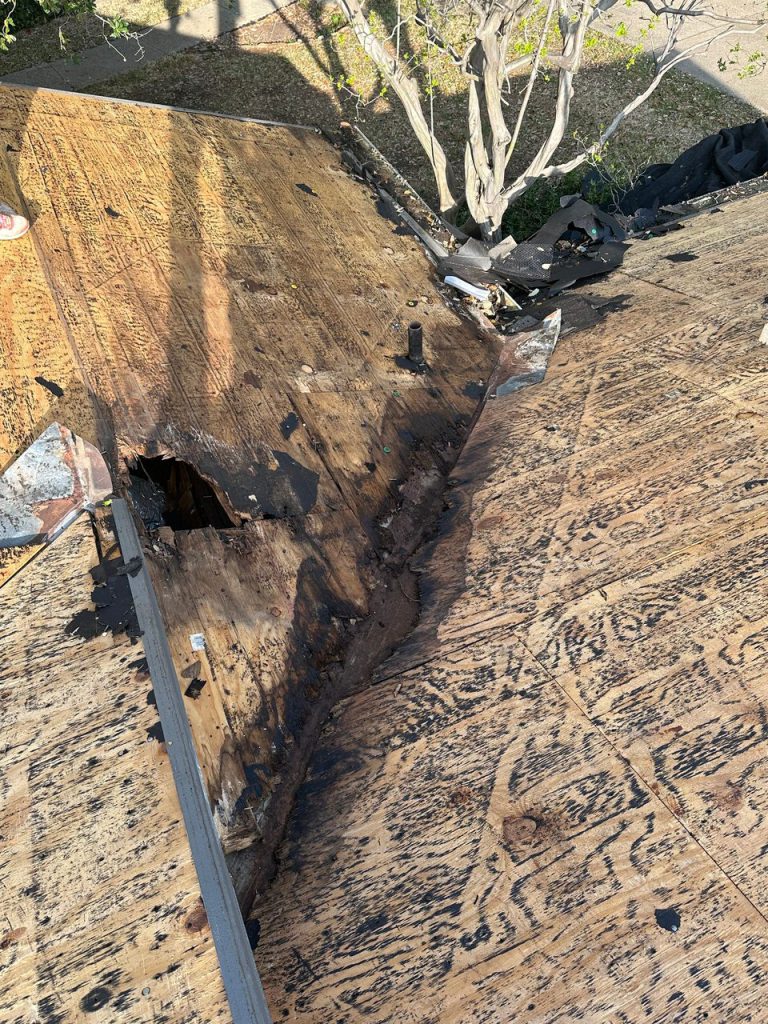
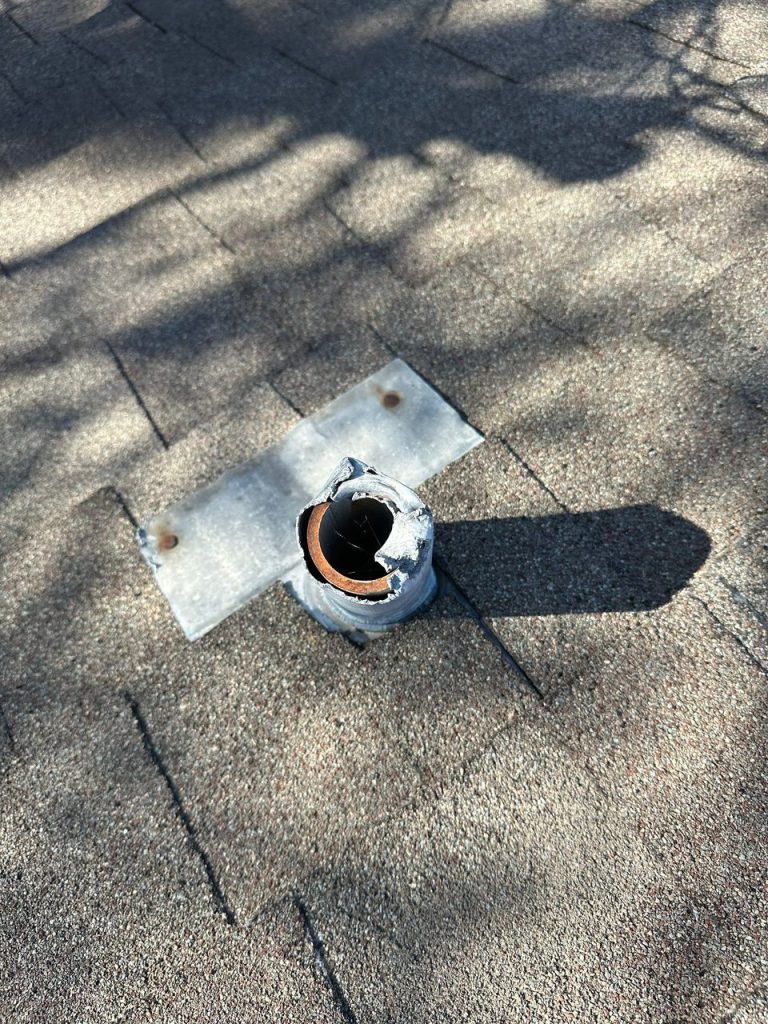
Water gets in through openings too small to see from the ground: a cracked vent seal, a lifted shingle edge. Under the surface it soaks the decking, the wood your shingles are nailed to, and rot spreads.
A stain on your ceiling can sit feet from where the water got in, after months of running the rafters.
That is why patching the stain fails. Leave the entry open and the water keeps coming. A repair that lasts closes the opening itself, and ruined wood goes with it.
The Leak Trace
We Follow the Water
No repair recommendation until we know where the water is actually coming in.
-
Step 1: Every Entry Point Checked.
We inspect the flashing (the metal that seals roof joints and edges), the seals around pipes and vents, the ridge line at the top, and the valleys where two roof planes channel water. These are the spots where roofs actually fail.
-
Step 2: Traced to the Source.
Water travels before it drips. We follow the trail from the stain, through the attic when needed, to the opening it really came through.
-
Step 3: Whole-Property Photos.
Not just the roof. Gutters, fence, window screens, and anything else hail may have hit get inspected and photographed before any decision about what comes next.
-
Step 4: Findings Before Decisions.
We walk you through the photos and what they mean, so you know what is damaged and what it needs before anyone talks about a fix.

Repair Scope and Claims
Repair or Claim
Not every leak is an insurance claim, and we will not push yours toward one. When the damage is limited, you get a repair scope in plain terms, and that scope is the whole bill.
When hail or wind damage justifies a claim, we carry it with you at every stage. We file it together, and when the adjuster climbs up, so do we. Then Xactimate (the pricing tool insurance adjusters build their numbers in) is where we counter what the carrier offered, and we keep at the claim until its last stage has paid. Approval is never ours to promise; it belongs to your insurance company. The deductible stays yours: we name the amount before work starts, and we won’t pick it up for you. Texas has treated that as a criminal offense since 2019.
The Claim, Carried
We Carry Your Insurance Claim
Storm damage rarely stops at one spot, and the claim decides what gets paid for. We work the file with you from the first call to the last check.
-
Step 1: Whole-Property Inspection
We photograph the roof, gutters, siding, and fencing so nothing the storm touched gets left off the claim.
-
Step 2: Claim Filed Together
We are on the call when you open the claim, ready with the answers carriers ask for.
-
Step 3: We Meet the Adjuster
When your carrier's inspector arrives, we walk the damage with them point by point.
-
Step 4: Paid Through the Last Check
Most claims pay in stages, and we stay on the file until the final payment lands.
Our Work
From Our Job Sites

Photos from our own job sites.
Black Bison Roofing · Rockwall, Texas